Knowledge

Value in a company: a TechMine Coffee report
Value and values in a company was the topic of our first June meeting. Defining the concept itself took those gathered some time; there are very many definitions of it in economics and management theory, not to mention psychology and sociology. The word itself is a homonym, i.e. it describes more than one concept, which often leads to misunderstandings. On the one hand, value is associated with economic value, i.e. simply, roughly, the difference between the company’s costs and the inflow of money, but also with the book value of the organization. On the other hand, value from the point of view of the end recipient is not necessarily money; it may be usefulness, the pleasure of owning an object or using a service, satisfaction from using a specific brand, prestige in one’s circle, and finally everything the consumer values, what gives them joy from using the company’s product or service. There are also, usually described in the plural, the values professed in an organization or team, i.e. internal principles and ethics of operation.
Perhaps because of this ambiguity, the participants in the discussion concluded that entrepreneurs talk about values more often than they reflect on them. While financial value is of course the basis of the company’s survival, which survival is in itself a fundamental business value, the other two kinds of value, namely what benefit, pleasure or gain the client has from what they receive from the company, and what values its employees, management and shareholders adhere to, can have a fundamental impact on the level and pace of the company’s growth.
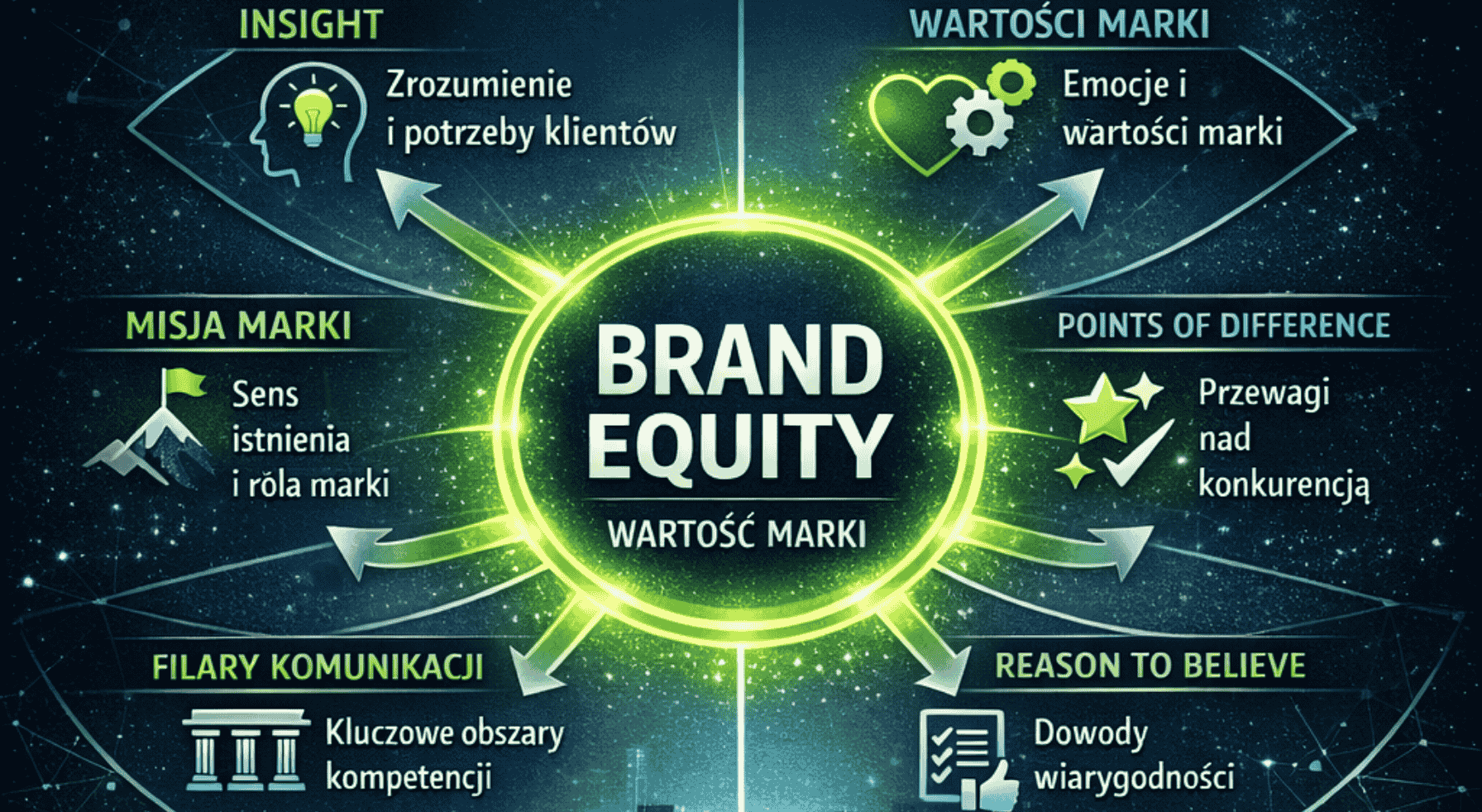
What is value from the perspective of sales, marketing and communication? This is discussed by the Value Triangle.
Importantly, value is more about how others perceive us than what we think about it ourselves. Thinking that our organization is guided by values or has values does not necessarily have to coincide with what others think about it. Value, then, is what others appreciate and reward us for (e.g. employees with loyalty and clients with purchases). The individual kinds of value must hit the right market or customer segments.
An interesting issue is the relationship between the business model and value. An example came up of an organization that considered free help for enterprises in a certain market segment to be its value. It turned out that, receiving something for free, the recipients did not see any value in it for themselves, nor did they value highly the organization providing them with these goods. On the other hand, the example was given of very expensive pots or vacuum cleaners, materially probably not worth their price, but which, thanks to the adopted sales model, give the user a sense of being among the elite, worth paying more for. In turn, research on the Polish market shows that for the statistical Pole the choice of a product or service is determined to the greatest extent by price. The relationship between material value and value for the end user is therefore not obvious.
The participants, asked what constitutes the value of their companies for them, emphasized that value for them is client satisfaction, in particular observing the benefits their service or product gave the client. Others emphasized that value is the very fact of the company’s survival on the market and its growth. Realizing and developing the company’s value is directly related to the other kinds of value: on the one hand, care for the value of the product for the client, researching their preferences and needs, and on the other, a coherent system of values professed in the company, are a necessary, though not sufficient, condition for success. Only efficient operational management and financial order, combined with the previous ones, can lead to success.
Important, and often not verbalized and therefore insufficiently taken into account in the organization’s work, is the system of values professed by employees and managers. In the case of small and medium-sized companies, the organization obviously becomes similar to its founder and usually first boss. This happens because the first employees are generally recruited on the basis of “social” criteria, as acquaintances or acquaintances of acquaintances; they come from a common circle in which similar values are professed. Over time, people from public recruitment join the company, not always sharing the views on life and business of the majority of people in the company. This is an often overlooked moment when it becomes necessary to openly communicate the values in force in the company. Such a shared catalogue has great practical significance: people do not have to wonder, or ask, what they should do in a given situation; the company’s code of ethics lets them make obvious decisions similar to those made by their colleagues. In turn, the management staff should listen to new employees and, if it is good for the company, include the values they profess in the catalogue of those observed in the company.
The conversation showed that the problem of value, which seems fundamental in all the dimensions mentioned, is sometimes overlooked in daily activities. It seems to require deeper reflection, especially by management staff.