Knowledge
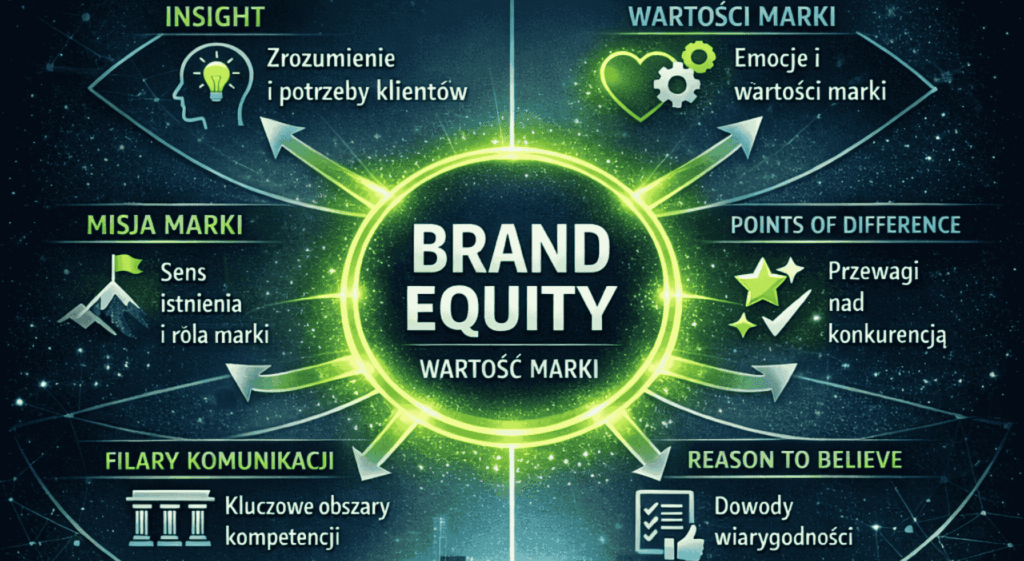

Brand equity: how it supports B2B sales
Brand equity: what the real value of a brand is and how it translates into business decisions in B2B sales
Brand equity is the accumulated value a brand brings to clients’ decisions, to a company’s ability to generate margin and to the long-term predictability of the business. It is an intangible asset that works even when marketing temporarily goes quiet. In practice it answers the question of why a client chooses this particular company, trusts it, comes back and is willing to pay more than for a competitor’s offer.
Brand equity is not image or recognition in itself. It is the effect of a coherent system of strategic, communication and operational decisions that together build the brand’s meaning in the minds of the audience. It is the result of long-term, consistent work on client experience, communication and the value delivered.
What makes up brand equity
Brand equity is a multidimensional construct. It is most often described through several related elements:
Brand awareness
Does the client know about you at all, and do they recall the brand at the moment of decision. It is a necessary condition, but not a sufficient one.
Brand associations and meaning
What the brand is associated with. Competence, safety, innovation, simplicity, prestige. It is precisely these associations that make two companies offering technically similar solutions be perceived completely differently.
Perceived quality
A subjective assessment of the value of the offer, not always identical to technical parameters. A brand with high brand equity can “lift” the perceived quality of the whole portfolio.
Trust and loyalty
The propensity to return, recommend and forgive mistakes. It is one of the most measurable effects of a strong brand.
Consistency of experience
Every point of contact with the company confirms the same promise. From the first contact, through sales, delivery, to after-sales service.
Brand equity versus marketing. Why they are not the same
Marketing is a set of activities. Brand equity is their long-term result. You can run intensive marketing and at the same time destroy brand equity, if the communication diverges from the client’s real experience.
A strong brand lowers the cost of sales, shortens the decision cycle and increases resistance to price pressure. A weak brand requires constant “pumping” with an advertising budget.
Why brand equity is of key importance in B2B sales
In B2B, brand equity is often underestimated, because decisions are perceived as rational. In practice it:
• reduces the perceived risk of purchase
• shortens the decision process at clients
• makes it easier to enter conversations from a higher price level
• prospecting is much more effective
• stabilizes sales in periods of slowdown
A brand with high brand equity does not have to “prove everything from scratch” at every sales contact.
How brand equity is built in practice
Brand equity does not come from an image campaign. It arises on the basis of strategic decisions and subsequent operational consistency:
• clear positioning and specialization
• a consistent narrative based on real value, not slogans
• a repeatable client experience
• really delivering on sales promises
• educational, expert communication instead of self-promotion
• long-term presence in the minds of the right audience
It is a process, not a project. Its effects accumulate over time.
How to measure brand equity
Brand equity is not measured with a single indicator. In practice a combination is observed:
• the price premium relative to the competition
• the level of client retention
• the number of referrals and the scale of inbound
• shortening of the sales cycle
• growth in funnel conversion
• the brand’s ability to enter new segments
The most common mistake companies make
Confusing brand equity with aesthetics or reach. The logo, visual identity and campaigns are tools. Brand equity is the effect of whether the company actually delivers the promise it communicates.
If clients say about your company what you would want them to say even when you are not in the room, it means brand equity is working.
Brand equity really affects B2B sales
Brand equity is a real business asset that affects margin, the predictability of sales and the company’s resilience to competitive pressure. It is built not with campaigns but with consistency. Brands with high brand equity win not because they are louder, but because they are understandable, credible and hard to replace.